From Nairobi to Kigali: What Kenya's ADR Community Must Learn from Rwanda.
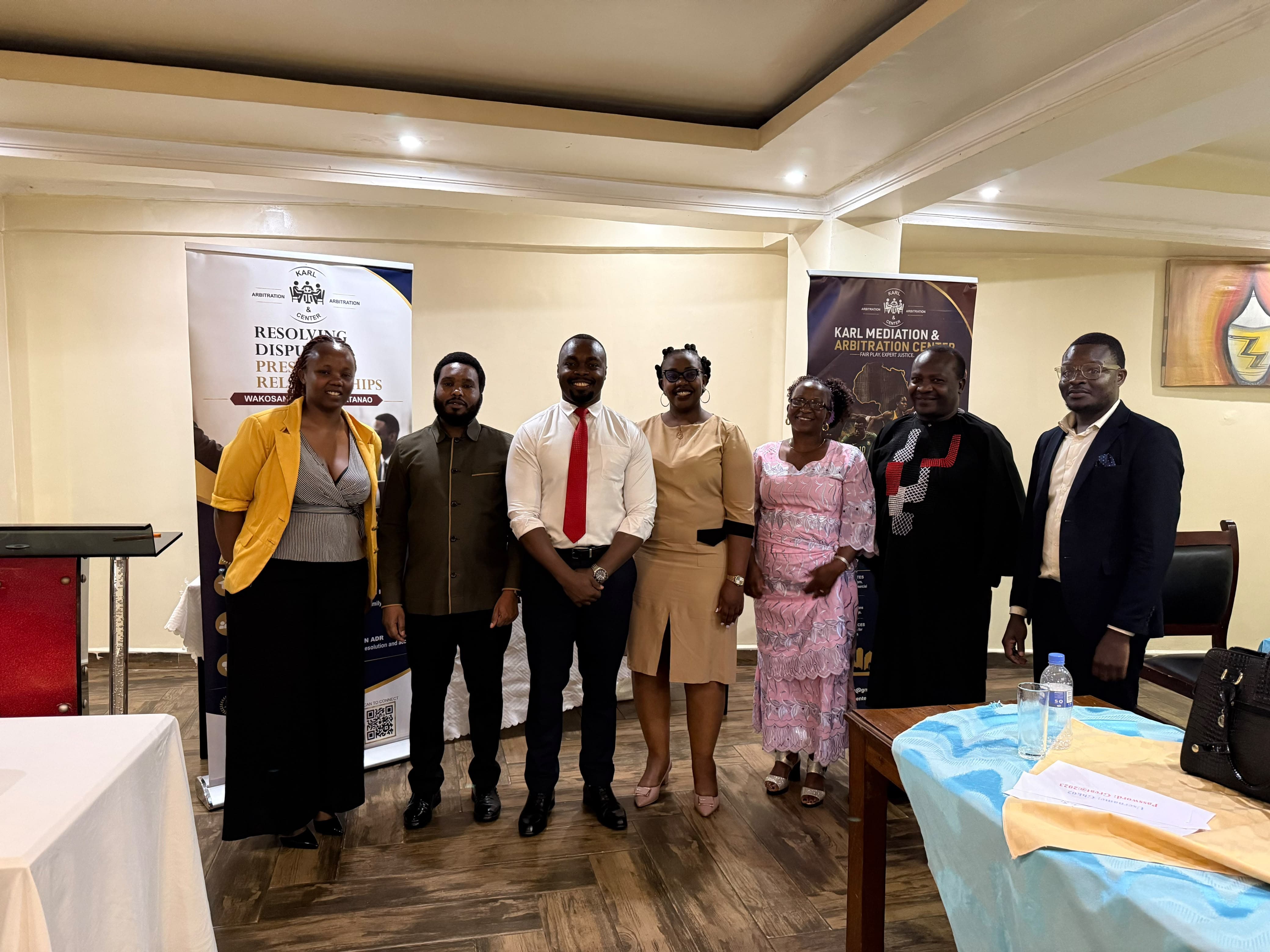
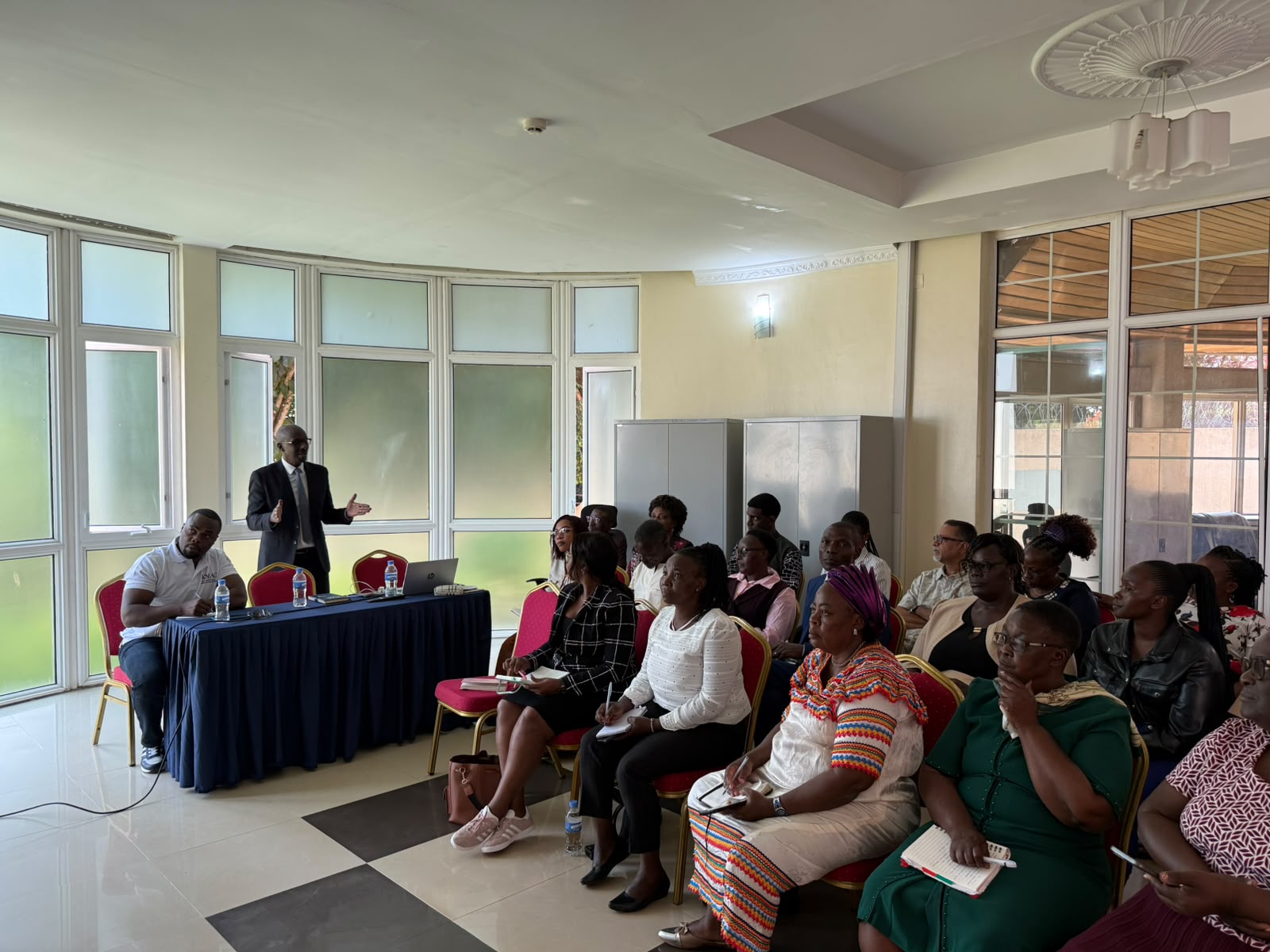
Twenty-one Kenyan ADR professionals walked into the offices of the Kigali International Arbitration Centre on the morning 24th June 2026. Some had been mediating for over a decade. Others were advocates who had watched the profession evolve from the fringes of the courtroom. All of them left three hours later having witnessed something that quietly recalibrated their understanding of what an ADR institution could be.That morning was one of several extraordinary engagements during the Kigali leg of KMAC's East Africa ADR Benchmarking Mission 2026 — a structured, five-day institutional programme that took our delegation through the offices of Rwanda's leading dispute resolution institutions, into the Kenya High Commission's meeting room in the heart of Kigali, and around the breakfast table of a diaspora community that turned out to be one of the most professionally dense rooms we had sat in all year.This is not a report. Reports are for filing. This is the story of what we saw, what it means, and what it should inspire Kenya's ADR community to do next.
Rwanda Did Not Wait
There is a version of this story that begins with statistics — Rwanda's GDP growth, its Ease of Doing Business ranking, its World Bank governance scores. We will leave that version to the economists. What struck us was simpler and more human than any ranking. Rwanda built its ADR infrastructure because it had no choice. After the 1994 genocide, the country faced over one million pending criminal cases — a number so staggering that the conventional court system simply could not absorb it. The response was the Gacaca courts: a reimagining of traditional community justice that put dispute resolution in the hands of trained community members, in public, across the country simultaneously. Over roughly a decade, Gacaca processed those cases. It was imperfect, contested, and extraordinary. What it left behind was something that no policy paper could manufacture: a national population that understood, at a visceral level, that justice does not have to happen in a courtroom. That familiarity — with the idea of sitting across from someone who has wronged you and reaching a resolution without a judge — is the cultural infrastructure on which Rwanda's modern ADR ecosystem is built. Rwanda's ADR success is not a policy achievement. It is a cultural one. And it started with a decision to trust communities with their own conflicts. Today, that ecosystem includes the Kigali International Arbitration Centre, a professionally governed, regionally connected institution that handles disputes from across East Africa and beyond. It includes the Institute of Legal Practice and Development, which trains legal practitioners to professional standards that would be recognisable in London or Singapore. And it includes a Rwandan Judiciary that does not merely tolerate mediation — it actively participates in it. Kenya has its own version of this story. Our Court-Annexed Mediation programme, our community justice mechanisms, our growing pool of IMI-accredited practitioners — these are real achievements. But Rwanda reminded us that achievement is not the same as urgency. And urgency is what the next chapter of Kenya's ADR story requires.
Five Days. Five Institutions. What We Found.
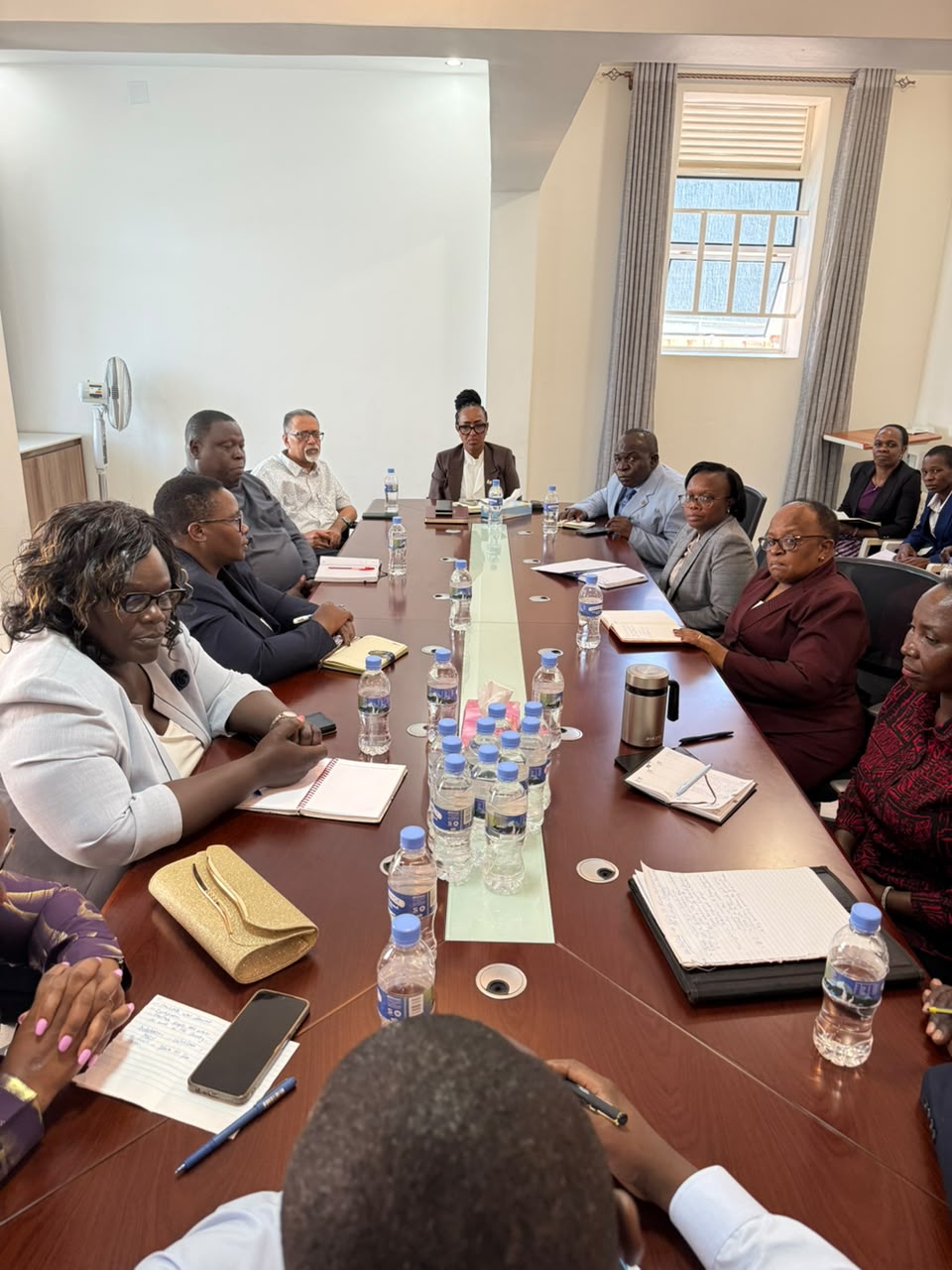
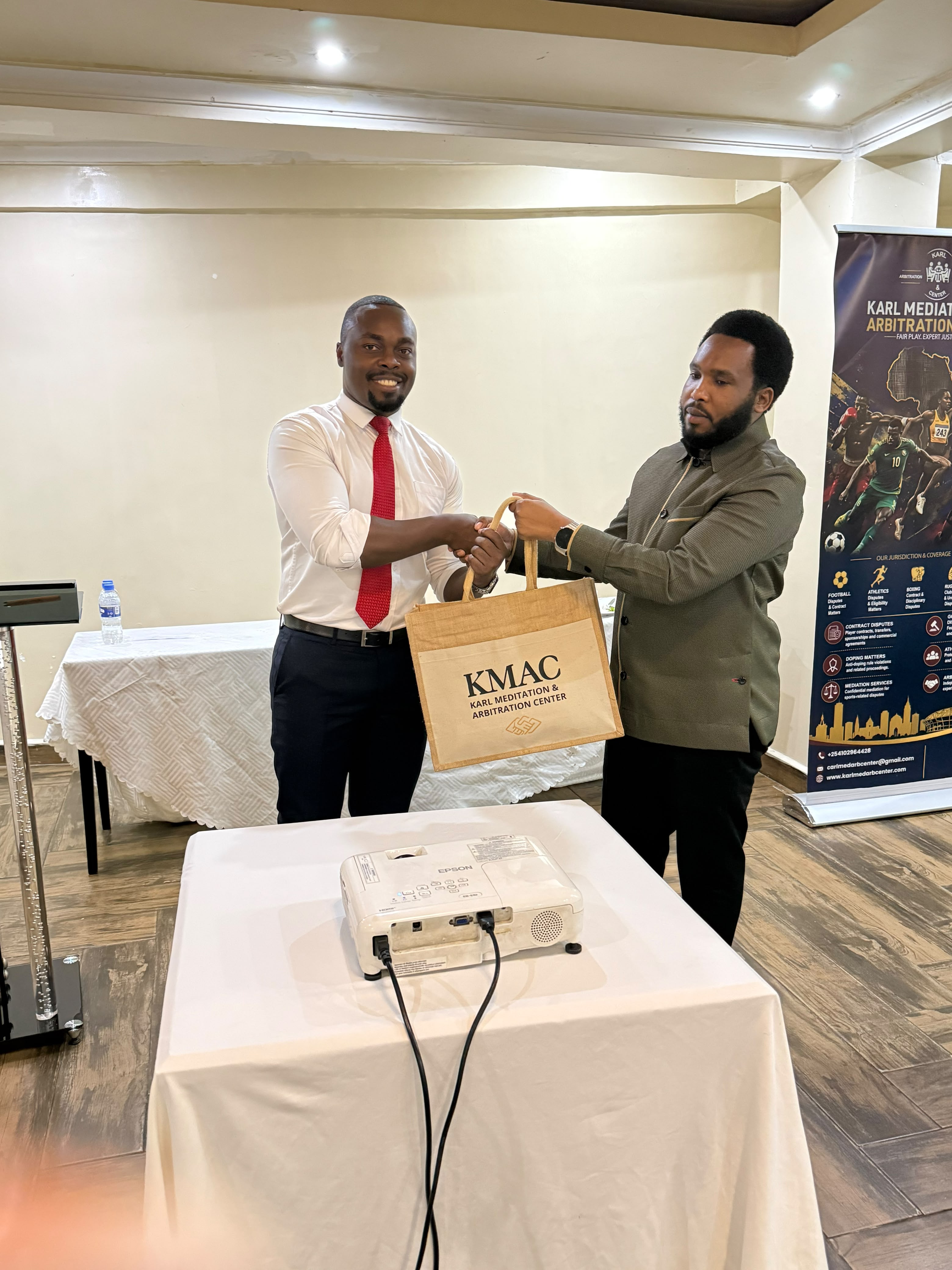
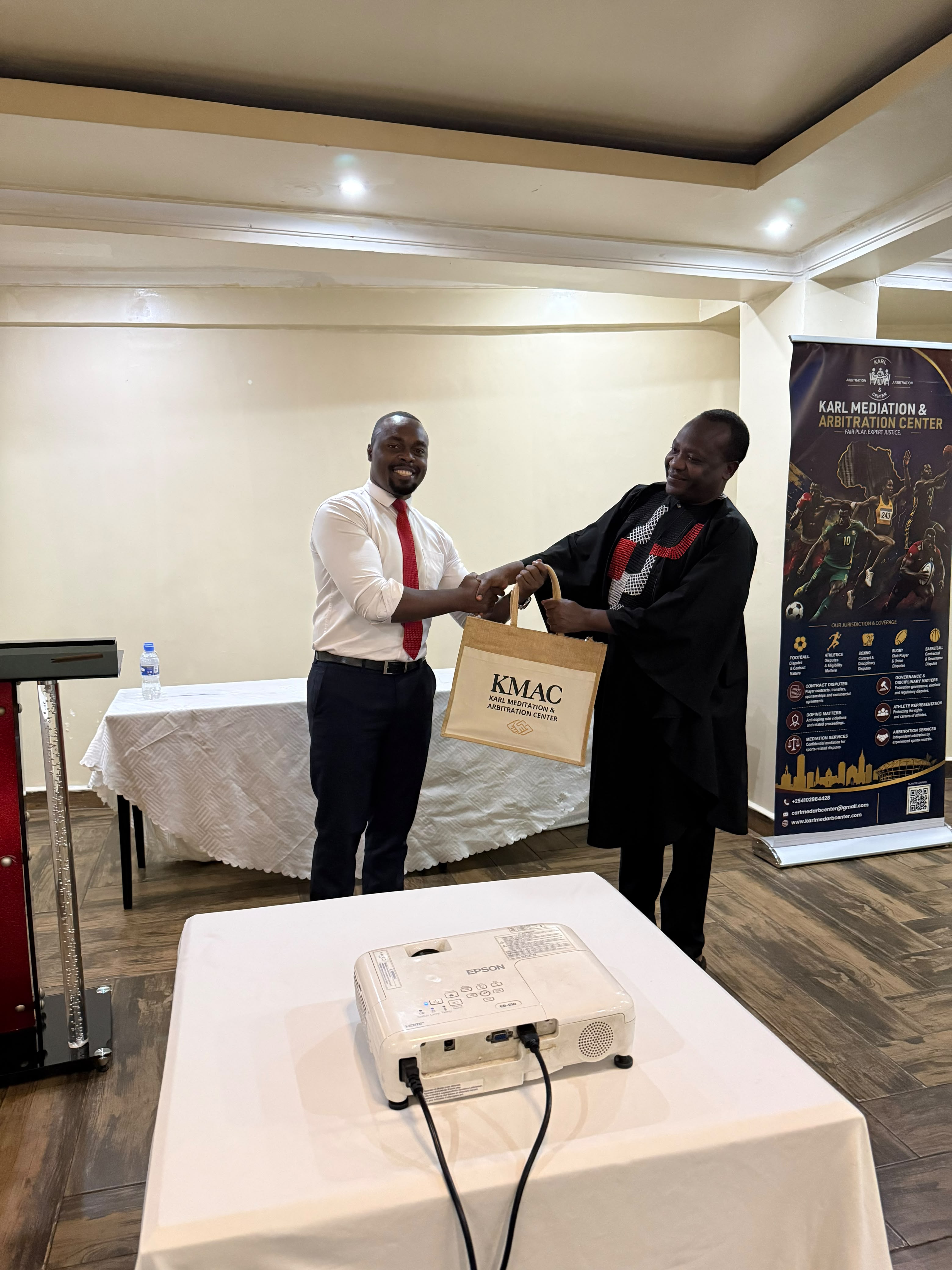
The Kigali leg of our benchmarking mission was structured around five formal institutional engagements, each chosen because it offered something the others could not. At the Kigali International Arbitration Centre, Secretary General Victor Mugabe walked our delegation through an institution that had been built, brick by deliberate brick, into one of East Africa's most credible arbitration centres. The procedural architecture is elegant: distinct rules for domestic and international disputes, a criteria-based panel admission process that prizes regional diversity, and a Secretariat that functions as the institutional backbone rather than mere administrative support. What struck our delegation most was not any single feature but the coherence of the whole — every element of KIAC's design serves the same goal: credibility. At the Institute of Legal Practice and Development, we found Rwanda's answer to the question of how you sustain a professional ADR community over time. The answer is investment in training — continuous, structured, and academically grounded. ILPD's Rector, Dr. Aime Muyoboke, received our delegation and engaged substantively on the overlap between KMAC's Certified Professional Mediation Training Programme and ILPD's own curriculum. The conversation was the beginning of something, not the end. At the Kenya High Commission, we met H.E. Ambassador Janet Mwawasi Oben — and walked away with a confirmed referral partnership. The High Commission has formally committed to directing commercial disputes involving Kenyan interests in Rwanda toward KMAC. It is the kind of outcome that sounds simple to describe and requires years of institutional credibility to earn. The Kenya High Commission in Kigali has formally committed to directing commercial disputes involving Kenyan interests in Rwanda toward KMAC. Diplomacy, it turns out, is also an ADR tool. The diaspora breakfast convened by the Association of Kenyans Living in Rwanda — chaired by Mr. Wycliffe Aganda with characteristic precision — was the session that surprised us most. Around that table sat Honourable Justice Sophie Ingabire of the Rwandan Judiciary, Professor Fructuose Bigirimana (Dean of the Faculty of Law at Mount Kigali University and a leading scholar in transitional justice and comparative legal systems), Minister Counselor Nasser O. Okoth representing the Kenya High Commission, Mr. Abraham Abu as the Nyumba Kumi Representative of Kenyans in Rwanda, and a cohort of Kenyan advocates and professionals who have built careers and businesses on Rwandan soil. It was, by any measure, a remarkable room. And it was assembled not by institutional machinery but by the trust that an organised diaspora community had built over years. That is a lesson about soft power that Kenya's ADR institutions would do well to study.
What This Means for Kenya's ADR Community
We returned from Kigali with full notebooks, a set of confirmed institutional agreements, and a set of observations that we believe are directly relevant to every practicing mediator, arbitrator, and advocate in Kenya. The first observation is about design. Rwanda's ADR ecosystem works because it was designed to work — not assembled opportunistically. KIAC's procedural rules, ILPD's curriculum, the Rwandan Judiciary's referral protocols: each reflects a deliberate institutional choice. Kenya's Court-Annexed Mediation program has made remarkable strides, but the next phase of its development requires the same level of deliberate design — particularly around mandatory referral protocols, accreditation alignment with international standards, and the formalization of cross-border practice pathways. The second observation is about credentialing. KIAC's panel admission process is criteria-based, regionally inclusive, and professionally rigorous. The fact that KMAC-trained practitioners now have a confirmed pathway to that panel is not merely good news for those individuals. It is a signal about the standard that KMAC's training represents. International panel eligibility is the most credible external validation an ADR institution can receive — and it is now available to Kenya's mediators and arbitrators through KMAC. The third observation is about networks. The diaspora breakfast demonstrated something that the formal institutional visits could not: that the most powerful professional networks are built on trust, consistency, and organised community. Kenya has one of the most active and accomplished diaspora communities in East Africa. That community is an underutilised ADR resource — and the breakfast in Kigali was, in a small way, a proof of concept for what a more deliberate engagement could achieve.
East Africa Is the Arena. The Mission Continues.
The Kigali leg was the first of four benchmarking missions KMAC will complete in 2026. Uganda and Tanzania follow later this year, with Zanzibar completing the circuit. Each leg adds a new institutional partnership. Each partnership adds a new panel pathway. Each pathway is a professional opportunity for KMAC's community of trained practitioners. By 2027, KMAC will have built an institutional footprint across the East African region that positions it — and the practitioners it has trained and supported — to serve regional and international clients at a level that no Kenyan ADR institution has previously achieved. East Africa is not a destination. It is our jurisdiction. And we are building the infrastructure to serve it. We are not building this alone. The Kenya High Commission partnership, the KIAC panel pathway, the ILPD dialogue, the diaspora network — each of these is a relationship that was built, not bought. And each of them creates value not just for KMAC as an institution, but for every practitioner who trains with us, every client who brings us a dispute, and every partner institution that chooses to work with us.
What You Can Do Next
If you are a trained mediator or arbitrator, an advocate building an ADR practice, a corporate professional who manages disputes, or a business leader who wants access to the best dispute resolution network in East Africa — there is a structured path for you. KMAC has launched its Regional Membership Programme, designed specifically to connect our community to the panel pathways, training discounts, professional retreats, and institutional networks that this benchmarking mission has opened. Membership starts at Ksh. 10,000 per year for KMAC alumni and Ksh. 15,000 per year for associate members — and it includes facilitated referral to the KIAC panel, priority access to advanced refresher courses, and a place in the professional community that is taking Kenya's ADR story across East Africa. The groundwork is done. The institutions are engaged. The panel doors are open. Reach out to KMAC to learn more about the Regional Membership Program.
#10 Things To Do When In A Conflict: 1. Call Us. We Will Handle The 9.
About the Author Caleb Kusienya, an astitute lawyer, is the Founder and Managing Director of Karl Mediation & Arbitration Center (KMAC) and an IMI Certified Mediator. He led the KMAC delegation on the East Africa ADR Benchmarking Mission 2026. He writes on ADR, institutional development, and the future of dispute resolution in East Africa.